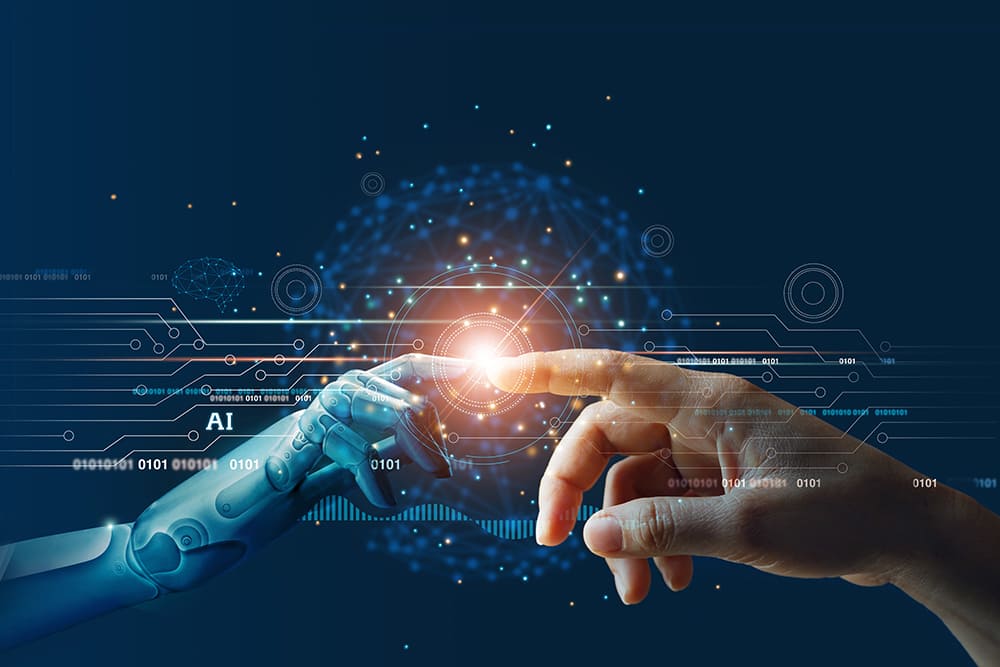
The Future of Artificial Intelligence: 10 Trends and Implications
Introduction
Artificial Intelligence (AI) is not just a technological advancement; it’s a paradigm shift that is shaping our world. In this article, we’ll delve into the fascinating realm of AI, exploring the latest trends and their far-reaching implications. The Future of Artificial Intelligence: Trends and Implications holds the key to understanding how AI will revolutionize various industries and affect our daily lives.
The Future of Artificial Intelligence: Trends and Implications
In this section, we will dissect the future of artificial intelligence, focusing on ten major trends and their implications for society, businesses, and individuals.
Trend 1: Machine Learning Dominance
Machine learning is at the forefront of AI. It’s not just about algorithms but also data quality and quantity. The rise of machine learning means more efficient processes, from predictive maintenance in manufacturing to personalized content recommendations in streaming services.
Implication:
- Business Transformation: Companies incorporating machine learning will gain a competitive edge.
- Data Privacy Concerns: The use of massive datasets raises questions about data privacy.
Trend 2: AI in Healthcare
AI is transforming healthcare with innovations like predictive diagnostics, telemedicine, and robotic surgeries. It’s improving patient care and making healthcare accessible globally.
Implication:
- Better Patient Outcomes: AI-driven diagnostics can detect diseases at an early stage, leading to improved treatments.
- Data Security: Healthcare data security becomes paramount.
Trend 3: AI in Autonomous Vehicles
Self-driving cars are no longer science fiction. AI powers autonomous vehicles, promising safer roads and more efficient transportation.
Implication:
- Reduced Accidents: AI can minimize human errors, reducing accidents on the road.
- Legal Challenges: Regulations and liability issues are complex and need to be addressed.
Trend 4: AI in Finance
From fraud detection to algorithmic trading, AI is revolutionizing the financial sector. It enhances decision-making and risk assessment.
Implication:
- Reduced Fraud: Improved fraud detection saves billions for financial institutions.
- Job Displacement: Automation may lead to job displacement, necessitating workforce reskilling.
Trend 5: AI in Education
Personalized learning, smart classrooms, and AI-powered tutors are changing education. Students get tailored experiences, and educators have powerful tools at their disposal.
Implication:
- Improved Learning Outcomes: AI helps educators adapt to the individual needs of students.
- Privacy Concerns: Protecting student data is crucial.
Trend 6: AI in Customer Service
Chatbots and virtual assistants provide instant support, enhancing customer service experiences.
Implication:
- Enhanced Customer Satisfaction: Quick responses and problem-solving.
- Maintaining the Human Touch: Balancing automation with human interaction is essential.
Trend 7: AI in Manufacturing
AI-driven automation is revolutionizing manufacturing, improving efficiency and product quality.
Implication:
- Increased Productivity: Automated processes increase output.
- Reskilling Workforce: Employees may need to adapt to new roles.
Trend 8: AI in Agriculture
AI aids in precision agriculture, optimizing crop yields and resource utilization.
Implication:
- Food Security: AI can help feed the growing global population.
- Environmental Concerns: Sustainable practices are essential.
Trend 9: AI in Entertainment
AI is transforming content creation, enhancing gaming experiences, and enabling realistic special effects in movies.
Implication:
- Innovative Content: New forms of entertainment and immersive experiences.
- Creative Challenges: Ethical questions arise in the creation of AI-generated content.
Trend 10: AI in Security
AI plays a vital role in identifying and preventing cybersecurity threats.
Implication:
- Enhanced Protection: Advanced threat detection.
- Ethical Concerns: Privacy and potential misuse of AI in surveillance.
FAQs
Here are some common questions and answers related to the future of artificial intelligence.
- Will AI replace jobs in the future? AI will automate certain tasks, but it also creates new job opportunities. The key is to adapt and acquire new skills.
- How can AI benefit smaller businesses? AI tools are becoming more accessible, allowing smaller businesses to streamline operations, make data-driven decisions, and offer personalized customer experiences.
- Are there any ethical concerns regarding AI’s future? Yes, ethical concerns such as data privacy, bias in algorithms, and AI’s potential misuse must be addressed through proper regulations and oversight.
- What role will AI play in addressing environmental issues? AI can analyze large datasets to identify environmental trends, monitor climate change, and optimize resource utilization, contributing to sustainability efforts.
- How can individuals prepare for the AI-driven future? Lifelong learning and adaptability are crucial. Stay updated on technological advancements and acquire digital skills.
- Is AI in healthcare safe for patients? While AI has great potential, it must be rigorously tested and monitored to ensure patient safety.
Conclusion
The future of artificial intelligence is promising but not without its challenges. As we embrace these technological advancements, it’s crucial to prioritize ethical considerations, privacy, and ongoing learning. The impact of AI on our world is profound, and understanding the trends and implications is essential to navigate this transformative journey.
Share this content:


Post Comment