Fashion for All: Exploring Inclusive and Adaptive Clothing
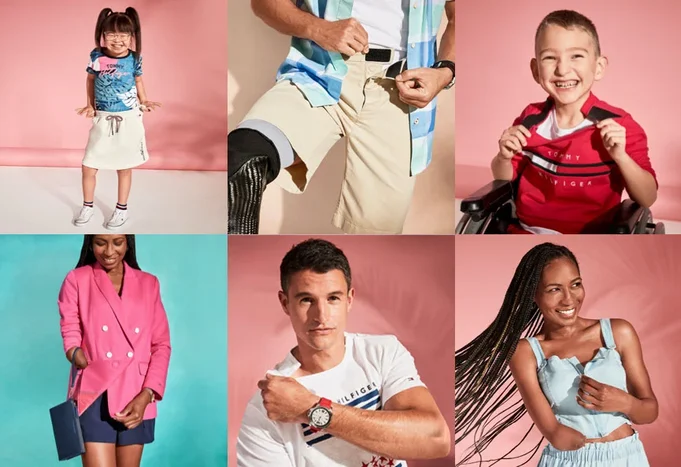
Fashion is a form of self-expression that should be accessible to everyone, regardless of age, ability, or body type. In recent years, the fashion industry has started to embrace the principles of inclusivity and diversity, leading to the creation of inclusive and adaptive clothing. In this blog, we’ll explore the world of fashion that caters to all, focusing on inclusive and adaptive clothing that empowers individuals to look and feel their best.

What is Inclusive and Adaptive Clothing?
Inclusive and adaptive clothing is designed with the needs of a diverse range of individuals in mind. This type of clothing addresses physical, sensory, and cognitive challenges while maintaining style and comfort. It aims to remove barriers and ensure that everyone can enjoy fashion.
Key Features of Inclusive and Adaptive Clothing
1. Easy Dressing
Inclusive clothing often features modifications like magnetic closures, Velcro, and front-fastening zippers, making it easier to put on and take off.
2. Comfort and Sensory Considerations
Designs prioritize soft, non-irritating fabrics and tagless options for individuals with sensory sensitivities.
3. Functional and Stylish
Inclusive clothing is both functional and stylish, ensuring that individuals look and feel their best.
4. Adjustability
Adaptive clothing features adjustable elements to accommodate changing body shapes and sizes. This is particularly beneficial for individuals with conditions like muscular dystrophy.
Fashion Brands Leading the Way
Numerous fashion brands have embraced inclusivity and adapted their designs to cater to a broader audience. Some notable examples include:
- Tommy Hilfiger: Their Tommy Adaptive line features clothing with magnetic closures, adjustable hems, and one-handed zippers.
- Zappos: This online retailer offers a wide range of adaptive clothing options, making it easier for individuals to find what suits their needs.
- Runway of Dreams: This brand collaborates with major fashion labels to create adaptive versions of their popular styles, ensuring inclusivity in fashion.
The Role of Fashion in Empowerment
Inclusive and adaptive clothing goes beyond just providing functional attire. It empowers individuals by allowing them to express their personality, taste, and individuality through fashion. It encourages self-confidence and self-esteem by ensuring that everyone can participate in the joy of dressing up.
Beyond Physical Disabilities
Inclusivity in fashion extends beyond physical disabilities. It encompasses individuals with sensory processing disorders, cognitive challenges, and aging-related concerns. It recognizes that fashion should adapt to the needs of the wearer, not the other way around.
The Future of Inclusive and Adaptive Fashion
As the fashion industry continues to evolve, we can expect even more advancements in inclusive and adaptive clothing. Fashion designers, advocates, and individuals with unique needs are working together to create a future where fashion truly is for all.
How You Can Support Inclusivity
- Spread Awareness: Share the message of inclusive and adaptive fashion to create a more informed and compassionate society.
- Support Inclusive Brands: Choose to shop with brands that prioritize inclusivity and diversity in their designs.
- Advocate for Change: Encourage the fashion industry to expand its inclusivity efforts by supporting policies that promote diversity and accessibility.
Fashion for all is not just a slogan; it’s a movement that’s gaining momentum. Inclusive and adaptive clothing is a significant step towards making fashion an inclusive and empowering experience for everyone, regardless of their unique challenges and abilitie
Share this content:



Post Comment