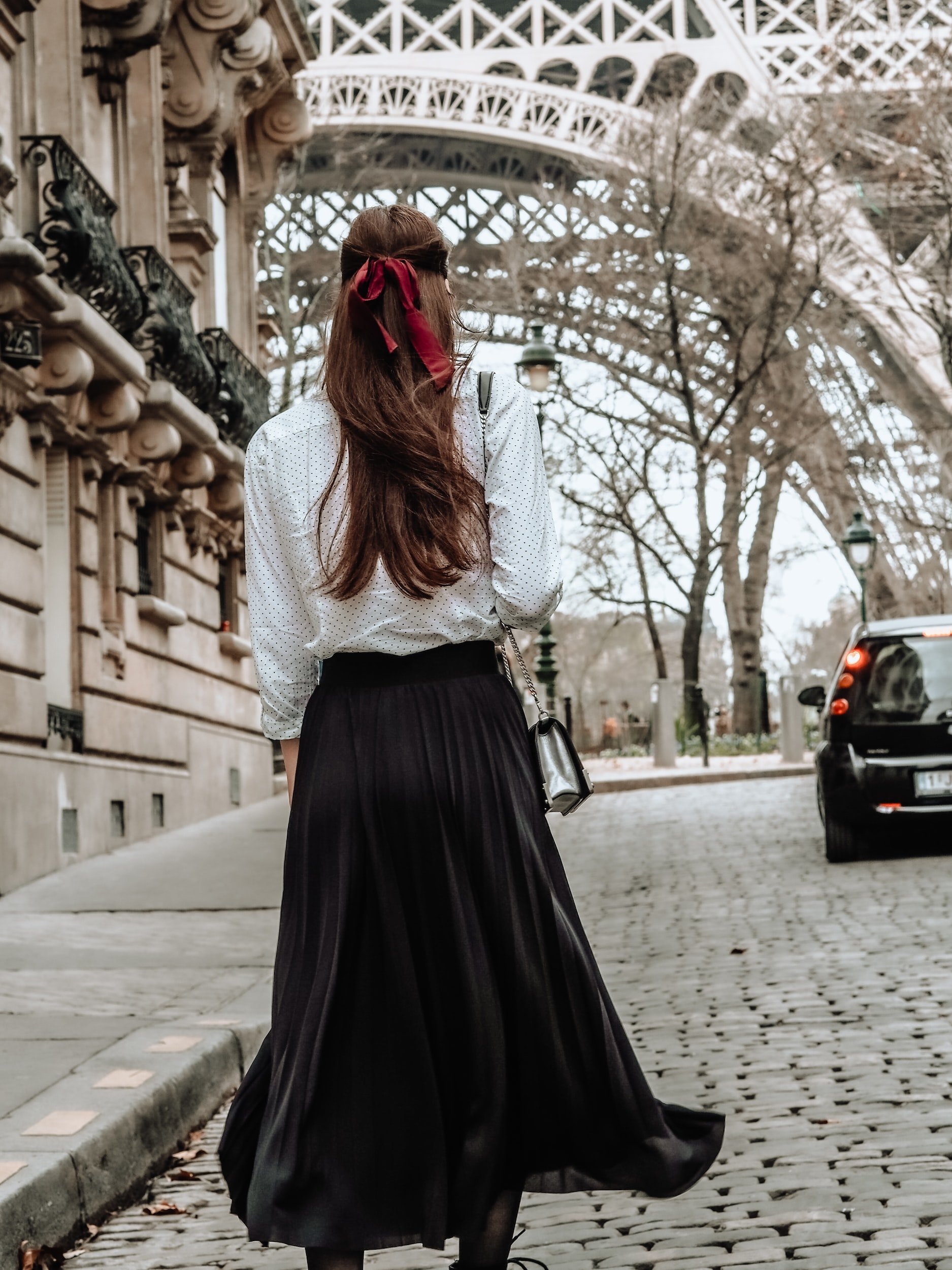
The Power of Color: Using Psychology in Fashion Choices
Color is a remarkable element of fashion that goes beyond aesthetics. It has the power to influence emotions, perceptions, and even our behavior. In this blog, we’ll explore the psychology of color and how it plays a crucial role in your fashion choices, helping you make a statement and feel your best.
The Influence of Color on Emotions
1. Red
- Emotion: Red is associated with passion, love, and energy. It can also evoke feelings of urgency and excitement.
- Fashion Use: A red dress or accessory can make a bold and confident statement.
2. Blue
- Emotion: Blue is calming and often associated with trust, reliability, and stability.
- Fashion Use: A blue outfit can convey professionalism and a sense of tranquility.
3. Yellow
- Emotion: Yellow is cheerful and optimistic, often linked to happiness and positivity.
- Fashion Use: Wearing yellow can boost your mood and create a vibrant, approachable image.
4. Green
- Emotion: Green represents nature, growth, and harmony. It’s a color of balance and renewal.
- Fashion Use: Green attire can convey a sense of calm and balance.
5. Purple
- Emotion: Purple is associated with creativity, luxury, and spirituality. It can also symbolize ambition.
- Fashion Use: Wearing purple can project a sense of creativity and sophistication.
6. Black
- Emotion: Black is often linked to power, elegance, and formality. It can also evoke mystery and strength.
- Fashion Use: Black outfits convey sophistication and versatility.
7. White
- Emotion: White symbolizes purity, innocence, and simplicity. It can also convey cleanliness and neutrality.
- Fashion Use: White garments create a sense of purity and simplicity.
Color Combinations
Combining colors can have a significant impact on the overall message your outfit conveys:
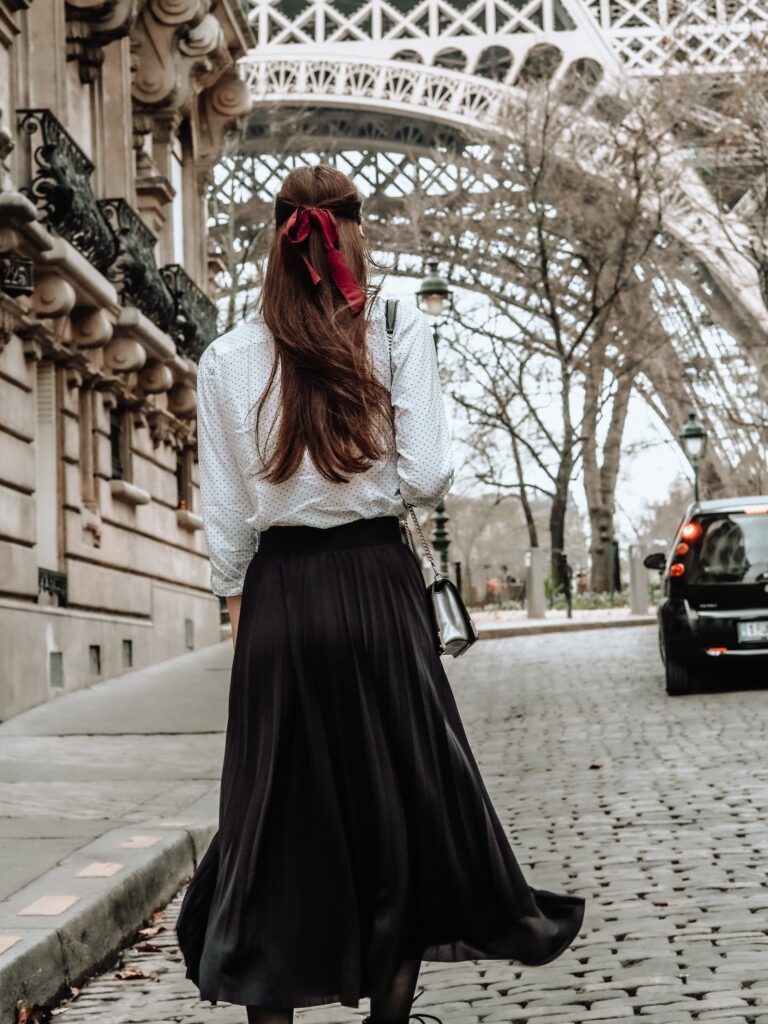
- Black and White: Timeless and sophisticated.
- Red and Black: Powerful and passionate.
- Blue and White: Fresh and clean.
- Yellow and Gray: Modern and cheerful.
The Role of Cultural and Personal Associations
Keep in mind that the meaning of colors can vary across different cultures and individuals. Personal experiences and cultural backgrounds can influence how a color is perceived. For example, while white is associated with purity in Western cultures, it symbolizes mourning in some Asian cultures.
Applying Color Psychology to Your Fashion Choices
When selecting clothing, consider the occasion, your mood, and the message you want to convey. Here are a few tips:
- Wear Colors that Reflect Your Mood: If you’re feeling energetic, opt for vibrant colors. If you want to project calm, choose soothing hues.
- Consider the Occasion: Think about the context. What message do you want to send in a professional setting versus a social gathering?
- Experiment: Don’t be afraid to step out of your comfort zone and experiment with new colors. You might discover combinations that perfectly express your personality.
Color is a powerful tool in fashion that can help you communicate your emotions and intentions. By understanding the psychology of color, you can make fashion choices that not only look good but also reflect your inner self.
Share this content:



Post Comment